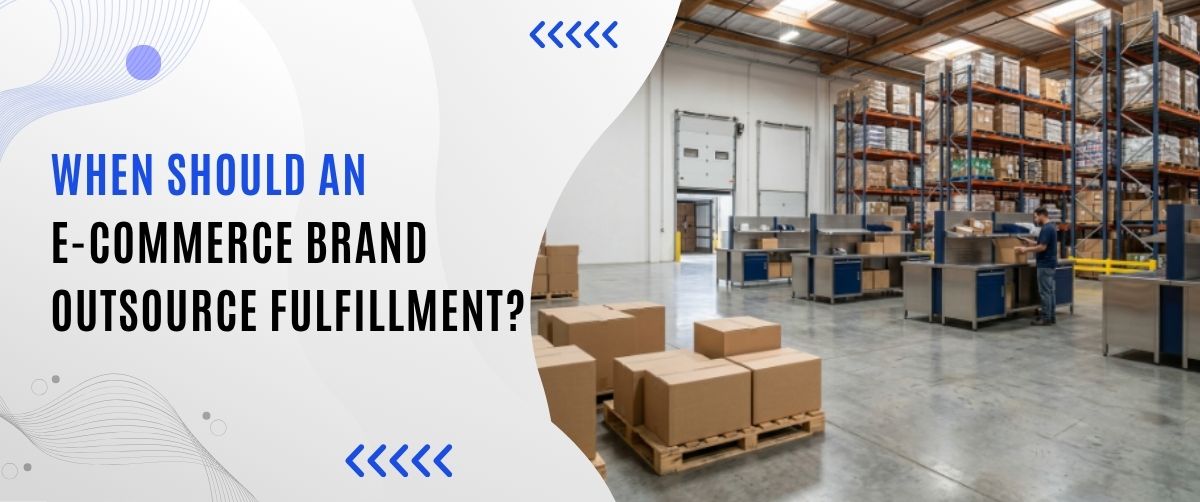
Outsource fulfillment for e-commerce becomes the right choice when managing inventory, packing orders, shipping, and returns starts slowing your business growth. Running an e-commerce business sounds exciting until daily shipping, inventory tracking, delayed deliveries, and return management consume your entire schedule. Many online sellers eventually reach a point where handling logistics internally becomes expensive, stressful, and difficult to scale.
That is where brands begin to outsource fulfillment for e-commerce operations. Instead of packing orders manually, businesses partner with a professional third-party logistics provider that manages warehousing, packing, shipping, inventory tracking, and returns.
Whether you sell through Shopify, Amazon, or WooCommerce, choosing the right fulfillment partner can directly impact customer satisfaction, delivery speed, and long-term growth.
What Does Outsourcing Fulfillment for E-commerce Mean?
Outsourcing fulfillment means hiring a specialized warehouse and logistics company to manage your e-commerce order operations. A fulfillment provider stores your products, processes orders, ships packages, and often handles returns on your behalf.
This service is especially useful for brands experiencing rapid growth or operational bottlenecks.
Common Fulfillment Services Include:
- Inventory storage
- Pick and pack services
- Shipping management
- Order tracking
- Return handling
- Multi-channel fulfillment
- Real-time inventory syncing
A professional 3PL warehouse company helps e-commerce businesses save time while improving delivery efficiency and customer experience.
Signs You Should Outsource Fulfillment for E-commerce
1. You Are Spending Too Much Time Packing Orders
If you or your team spend hours every day packing boxes instead of focusing on marketing, product development, or customer growth, fulfillment is becoming a bottleneck.
Successful ecommerce brands focus on scaling operations, not manually printing shipping labels late at night.
This is often the first sign to outsource fulfillment for e-commerce growth.
2. Order Volume Is Increasing Quickly
Growth is exciting, but rapid order increases can create operational chaos.
Signs include:
- Delayed shipping
- Inventory mistakes
- Customer complaints
- Missed orders
- Overstocking or stockouts
A reliable e-commerce fulfillment service can handle high-volume order processing efficiently while maintaining accuracy.
Shipping Costs Are Hurting Profit Margins
Many e-commerce businesses pay higher carrier rates because they lack warehouse distribution networks or shipping volume discounts.
A professional fulfillment company typically has the following:
- Lower negotiated shipping rates
- Multiple carrier partnerships
- Faster regional delivery options
This reduces costs while improving customer satisfaction.
Why Shopify, Amazon, and WooCommerce Sellers Outsource Fulfillment
Shopify Sellers
Shopify stores often scale rapidly through paid advertising and social commerce. As order volume grows, shipping management becomes overwhelming.
Using Shopify fulfillment solutions helps automate order syncing and shipping processes.
Amazon Sellers
Amazon businesses must meet strict delivery expectations and inventory management standards.
Partnering with a fulfillment company can support:
- Faster delivery
- Better inventory organization
- Multi-channel sales management
- Reduced operational pressure
WooCommerce Store Owners
WooCommerce offers flexibility, but logistics management can become complex without automation.
A trusted third-party logistics provider helps WooCommerce brands simplify operations and improve fulfillment speed.
Benefits of Outsourcing Fulfillment for E-commerce
Faster Shipping
Modern consumers expect quick delivery. Delayed shipping often leads to negative reviews and lost repeat customers.
Professional warehouse providers improve shipping speed through optimized logistics networks.
Better Inventory Management
Real-time inventory visibility helps prevent overselling and stock shortages.
Most modern fulfillment companies provide advanced tracking dashboards for better control.
Scalability During Seasonal Demand
During holiday sales or viral product launches, order spikes can overwhelm in-house operations.
A fulfillment partner allows your business to scale without operational breakdowns.
Lower Operational Stress
Managing inventory, staffing, packaging supplies, and shipping issues daily can drain your energy.
Outsourcing logistics gives business owners more freedom to focus on growth and customer acquisition.
When Should You Wait Before You Outsource Fulfillment for E-commerce?
Outsourcing may not be necessary if:
- You only process a few orders weekly
- Products require highly customized packaging
- Profit margins are still very low
- You are testing a new product idea
However, once fulfillment begins slowing your growth, outsourcing becomes a smart long-term investment.
How to Choose the Right Fulfillment Partner for E-commerce
Before selecting a warehouse company, evaluate:
Important Factors:
- Warehouse locations
- Shipping speed
- E-commerce platform integrations
- Transparent pricing
- Inventory technology
- Return management process
- Customer support quality
The right fulfillment provider becomes an extension of your e-commerce brand.
Why You Should Outsource Fulfillment for E-commerce at the Right Time
As e-commerce competition continues to grow, operational efficiency matters more than ever. Brands that continue managing fulfillment manually often struggle with shipping delays, inventory errors, and limited scalability.
Choosing to outsource fulfillment for e-commerce operations allows businesses to improve delivery speed, reduce stress, and create a better customer experience.
Whether you sell on Shopify, Amazon, or WooCommerce, partnering with a trusted fulfillment provider can help your business grow faster while maintaining operational excellence.
If your team spends more time shipping boxes than scaling your brand, it may be the perfect time to make the switch.
Also Read : How Much Does a 3PL Warehouse Cost in Los Angeles?