
Table of Contents
A rejected load can become an urgent logistics problem after normal business hours. A receiver may refuse freight because pallets shifted, packaging failed, or cargo looks unstable. Rejected freight emergency recovery gives everyone a clear path from refusal to safe handling and onward movement. For shippers, brokers, carriers, and importers, Problem load solution services in California can help coordinate inspection, unloading, sorting, re-palletizing, temporary staging, or another transportation plan.
Why Rejected Freight Emergency Recovery Needs a Controlled Response
After-hours freight problems create pressure because several parties need answers quickly. Moving unstable cargo before understanding the problem can make the situation worse. Rejected freight emergency recovery starts with control. Confirm the rejection reason, check whether the trailer can move safely, collect photos, and identify whether the freight needs a mobile crew or facility. A Problem load solution in South California may involve labor, palletizing, temporary storage, documentation, transportation, or coordination with another receiving location.
Read More: From Ontario, CA to Anywhere in the U.S.: How Nationwide Delivery Works After Transloading
Step 1: Confirm the Exact Rejection Reason
Ask the receiver and driver for a clear description. Is the freight leaning, crushed, wet, broken, or poorly wrapped? Was it refused because of condition, timing, or receiving limits? Rejected freight emergency recovery becomes easier when the recovery team gets useful information before dispatch. Send the location, trailer or container type, commodity, pallet or carton count, approximate weight, photos, and visible damage. A team providing South California transloading facility services can then assess the likely labor, equipment, and handling space needed before unloading begins.
Step 2: Protect the Driver, Crew, and Cargo
Shifted freight can create hazards when trailer doors open or workers start unloading. The team should first determine how the load is positioned and whether it can be approached safely. The Federal Motor Carrier Safety Administration requires cargo securement systems that prevent cargo from shifting or falling from commercial vehicles. Safety assessment therefore matters in rejected freight emergency recovery when the load has moved during transit. If the receiver is not a suitable recovery location, a Powerful & reliable 3pl solution in California may help coordinate another location, appropriate equipment, and an experienced crew.
Step 3: Choose Mobile Recovery or Facility Handling
Not every rejected load needs a warehouse. A mobile team may work at the truck’s location when space, access, and equipment are suitable. On-demand unloading in California can help when freight needs immediate unloading, sorting, palletizing, wrapping, or transfer and the site supports safe work.
Other situations need controlled facility space. South California transloading facility services can support cargo that must be staged, sorted, reworked, stored temporarily, or transferred before continuing. Rejected freight emergency recovery should match the method to the cargo condition. Stable freight may need a different response from a collapsed or deeply shifted load.
Step 4: Build the Recovery Plan Before Unloading
Before unloading, define the goal. Freight may need re-palletizing, sorting, damage separation, wrapping, staging, or a complete trailer transfer. A coordinated emergency recovery response should connect those tasks in the correct order so the driver, shipper, and recovery crew clearly understand the overall recovery plan. For complicated situations, a Powerful & reliable 3pl solution in California can coordinate unloading with storage, cross-docking, transportation, or redelivery instead of treating each task separately. Rejected freight emergency recovery works best when one plan covers the path from rejection to the next destination.
Step 5: Document the Freight Condition
Take photos before, during, and after recovery. Record broken pallets, crushed cartons, leaning stacks, torn wrapping, and visible damage. A Problem load solution services in California provider may also document the shipment while unloading and re-palletizing, giving the shipper, carrier, receiver, or insurer a clearer record when documentation is needed. Rejected freight emergency recovery also depends on clear records of what was found, changed, and still needs attention.
Step 6: Rework Freight for the Next Movement
Once freight is accessible, the crew can separate salvageable goods, rebuild pallets, replace wrapping, or prepare cargo for transfer. On-demand unloading in California can support this stage when the location allows safe handling and the needed crew and equipment are available. Rejected freight emergency recovery should leave the cargo ready for the next approved step, which may include temporary storage, cross-docking, transfer to another truck, or redelivery.
Step 7: Coordinate Storage, Transloading, or Redelivery
Recovery is not complete when the trailer is unloaded. The freight still needs a destination and transportation plan. A Problem load solution services in California team can help connect reworked freight with staging, temporary warehousing, continued transportation, or another delivery attempt. At this stage, rejected freight emergency recovery shifts from immediate problem control to shipment continuation. Clear handoff information helps prevent another disruption at the next location.
What Information Should You Send?
Provide the location, commodity, trailer type, pallet count, weight, photos, rejection reason, visible damage, equipment needs, and destination. Explain whether the driver can remain and whether the trailer can move safely. Accurate information helps the team choose a mobile crew, facility, or another recovery option.
How 3PL Platinum Supports Problem Loads
3PL Platinum states that its problem load service includes load assessment, safe unloading, re-palletizing, salvage sorting, damage documentation, and continued transport coordination. Its website also lists 24/7 emergency support for urgent freight issues. The company’s mobile transloading service covers a 200-mile radius of Los Angeles and includes unloading, palletizing, cross-docking, and temporary warehousing. Rejected freight emergency recovery may therefore involve one service or several connected services depending on the cargo condition, location, and next destination.
Conclusion
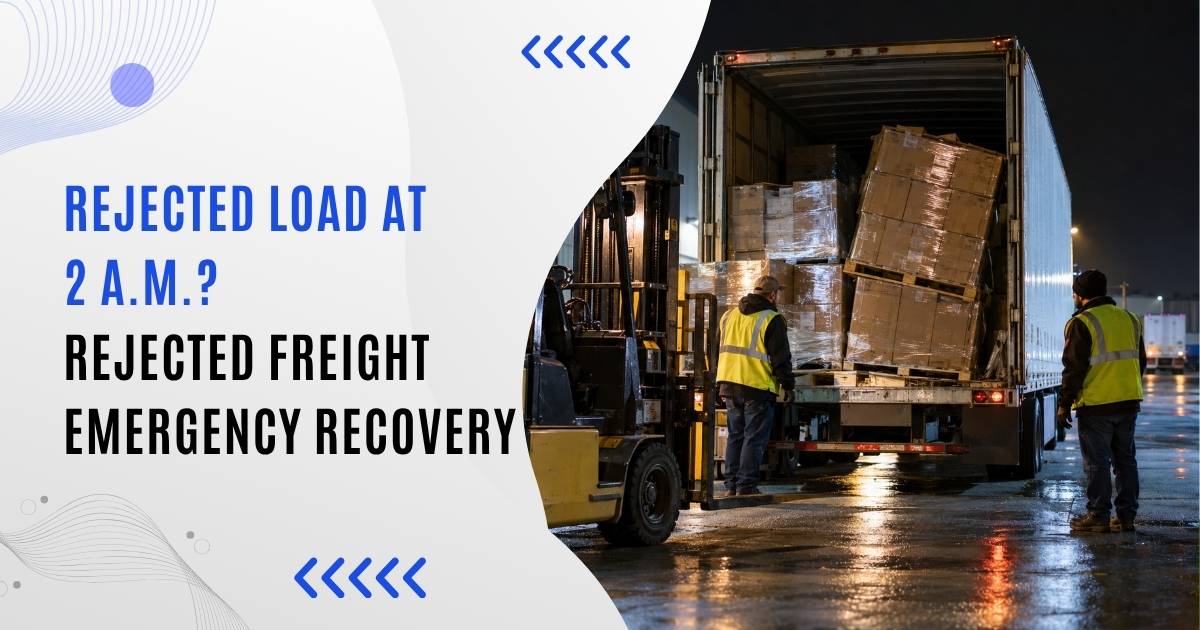
A rejected load at 2 A.M. needs a controlled response. Confirm the rejection reason, protect people and cargo, document the condition, and choose the right recovery method. Problem load solution services in California can support this process when freight needs coordinated handling, rework, staging, or onward movement. Rejected freight emergency recovery creates a practical sequence for bringing freight under control and preparing it for the next move. The goal is not simply to unload the trailer, but to recover the shipment safely and create a workable path forward.
Frequently Asked Questions
What should a driver do first after a load is rejected?
The driver should confirm the rejection reason, contact dispatch, take clear photos, and avoid moving unstable freight without a safe plan. Problem load solution services in California may then help coordinate assessment, unloading, re-palletizing, staging, or onward movement.
Can a rejected load be recovered at night?
Yes, depending on location, cargo, access, and available resources. Rejected freight emergency recovery can involve after-hours assessment, unloading, rework, temporary staging, and transportation coordination when the required services are available.
Does every rejected load need a warehouse?
No. Some loads can be handled at the current location with a suitable mobile crew, while others need a facility. A Problem load solution in South California may use either approach depending on freight condition, access, equipment, and the next transportation step.
What information helps a recovery team respond faster?
Share the location, commodity, trailer or container type, estimated weight, pallet count, photos, rejection reason, visible damage, equipment needs, and intended next destination. These details help the team evaluate the situation before dispatch.
Who can help when several recovery steps are needed?
A coordinated response can help when the shipment needs unloading, sorting, re-palletizing, documentation, temporary staging, or transportation after refusal. Problem load solution services in California can bring those recovery steps together so the freight has a clear route from the rejected delivery to its next approved destination.