Table of Contents
Moving containers from the ports of Los Angeles and Long Beach requires careful coordination, accurate scheduling, and reliable transportation. The journey does not end when a ship arrives at the terminal. Containers must be picked up, transported, unloaded, and returned properly to avoid delays and additional costs. The LA and Long Beach drayage process connects ocean transportation with inland supply chains by moving containers between ports, warehouses, rail terminals, and distribution centers.
Businesses rely on Drayage services in California to manage these short-distance container movements efficiently while keeping freight flowing through one of the busiest logistics regions in the United States. Understanding the LA and Long Beach drayage process helps importers, manufacturers, and retailers prepare for each stage of container movement, from port pickup to empty container return.
What Is Drayage and Why Is It Important?
Drayage refers to the transportation of shipping containers over short distances, usually between ports and nearby logistics facilities. Although the distance may be shorter than traditional trucking routes, drayage requires specialized knowledge of port procedures, appointment systems, and container regulations. The LA and Long Beach drayage process involves multiple steps that must happen in the correct order. A delay during pickup, unloading, or return can impact the entire supply chain. Businesses use professional Drayage services in California because experienced providers understand terminal requirements, container schedules, and the coordination needed to keep freight moving.
Step 1: Container Arrival at the Port
The drayage process begins when a vessel arrives at the Port of Los Angeles or Long Beach. After unloading, containers enter the terminal system where they are processed before pickup. At this stage, logistics teams monitor container availability, documentation requirements, and pickup appointments. Proper planning helps avoid unnecessary waiting time and storage charges. The LA and Long Beach drayage process depends heavily on accurate communication between ocean carriers, terminals, trucking providers, and cargo owners. Businesses can review port operation information from the Port of Los Angeles official website to better understand terminal activities and cargo movement.
Step 2: Port Pickup and Container Transportation
Once a container is available, a truck driver schedules pickup and collects the container from the terminal. Drivers must follow port procedures, including appointment requirements and safety regulations. Professional Port drayage services for Long Beach and Los Angeles help businesses coordinate container movement between terminals and their next destination. After pickup, containers may travel to warehouses, distribution centers, rail facilities, or transloading locations depending on the shipment plan.
Step 3: Moving Containers to Warehouses or Transloading Facilities
Many shipments do not move directly from the port to their final destination. Instead, containers may go to a nearby facility where goods are unloaded, reorganized, and prepared for domestic distribution. Companies requiring Transloading and drayage services in Sacramento can benefit from coordinated transportation solutions that connect container movement with inland freight operations. This connection between drayage and transloading helps businesses manage imported goods more efficiently by creating a smoother transition between ocean shipping and domestic transportation.
Step 4: Container Unloading and Freight Handling
After reaching the warehouse or logistics facility, containers are unloaded according to the shipment requirements. Products may be stored temporarily, transferred to trucks, or prepared for further distribution. The LA and Long Beach drayage process requires coordination because container availability, warehouse schedules, and transportation timing must align. Poor coordination can create delays, especially during busy shipping periods when terminals and warehouses experience higher demand.
Step 5: Empty Container Return
One of the most important steps in drayage is returning the empty container after unloading. Shipping lines require containers to be returned within specific timeframes to avoid additional fees. The return process requires knowledge of approved return locations, appointment schedules, and carrier requirements. Experienced Drayage trucking companies in California help businesses manage empty returns while reducing the risk of missed deadlines and unnecessary charges.
Common Challenges in Port Drayage
The LA and Long Beach drayage process can involve several challenges, including:
- Port congestion
- Appointment availability
- Container shortages
- Chassis availability
- Documentation issues
- Tight delivery schedules
Because ports operate within complex transportation networks, even small delays can affect warehouse operations and customer deliveries. Working with an experienced Drayage company Los Angeles allows businesses to better manage these challenges and maintain consistent freight movement.
How Technology Improves Drayage Operations
Modern logistics providers use technology to improve visibility throughout the transportation process. Tracking systems, digital scheduling tools, and communication platforms help businesses monitor container movement. Better visibility allows companies to make faster decisions and respond to unexpected changes. The LA and Long Beach drayage process becomes more efficient when all parties have access to accurate shipment information.
Choosing the Right Drayage Partner
Selecting a drayage provider requires evaluating experience, service coverage, communication, and knowledge of port operations. A reliable provider should understand terminal procedures, container handling requirements, and the importance of timely deliveries. Businesses looking for Drayage services in California should consider providers that can support both port transportation and broader supply chain requirements. The right partner helps simplify container movement from arrival to final delivery.
Why Efficient Drayage Matters for Supply Chains
Drayage is a critical connection between international shipping and domestic distribution. Without effective container transportation, businesses may experience delays throughout their supply chain. A well-managed LA and Long Beach drayage process improves freight visibility, reduces transportation issues, and supports smoother warehouse operations. Companies that plan their drayage strategy carefully can improve efficiency while reducing unnecessary delays.
Conclusion
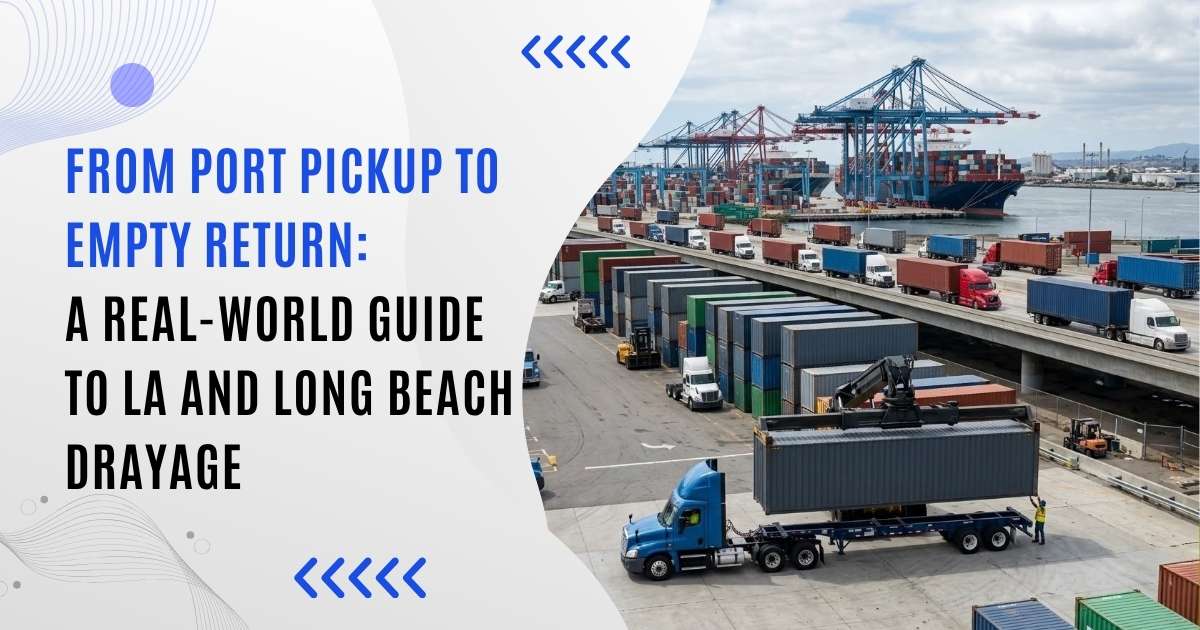
The movement of containers from port pickup to empty return requires careful coordination at every stage. The LA and Long Beach drayage process involves more than simply transporting containers; it requires scheduling, communication, and knowledge of port operations. By partnering with experienced transportation providers offering Drayage services in California, businesses can create a smoother connection between ocean freight and domestic distribution. Efficient drayage operations help companies move goods faster, manage costs, and maintain reliable supply chain performance.
Frequently Asked Questions
What is the LA and Long Beach drayage process?
The LA and Long Beach drayage process is the movement of containers between ports, warehouses, rail facilities, and distribution centers. It includes pickup, transportation, unloading, and empty container return.
Why is port drayage important for businesses?
Port drayage ensures containers move efficiently after arriving at marine terminals. Without reliable transportation, shipments may experience delays that affect inventory and delivery schedules. Companies using Port drayage services for Long Beach and Los Angeles can improve coordination between ports and inland locations.
How does transloading connect with drayage?
Drayage moves containers from ports to facilities where goods can be unloaded and prepared for further transportation. Transloading helps businesses transfer products into domestic distribution networks. Providers offering Transloading and drayage services in Sacramento support businesses that need coordinated freight movement beyond port locations.
How can companies reduce drayage delays?
Companies can reduce delays by planning container pickups early, maintaining accurate documentation, and working with experienced transportation providers. A knowledgeable Drayage company Los Angeles can help businesses manage schedules and improve container movement efficiency.
Why should businesses work with professional drayage providers?
Professional providers understand port procedures, container requirements, and transportation challenges. They help businesses manage the complete LA and Long Beach drayage process from pickup through empty return. Working with experienced Drayage trucking companies in California gives businesses better control over container movement and helps create a more reliable supply chain.